
Design Intake-to-CAD
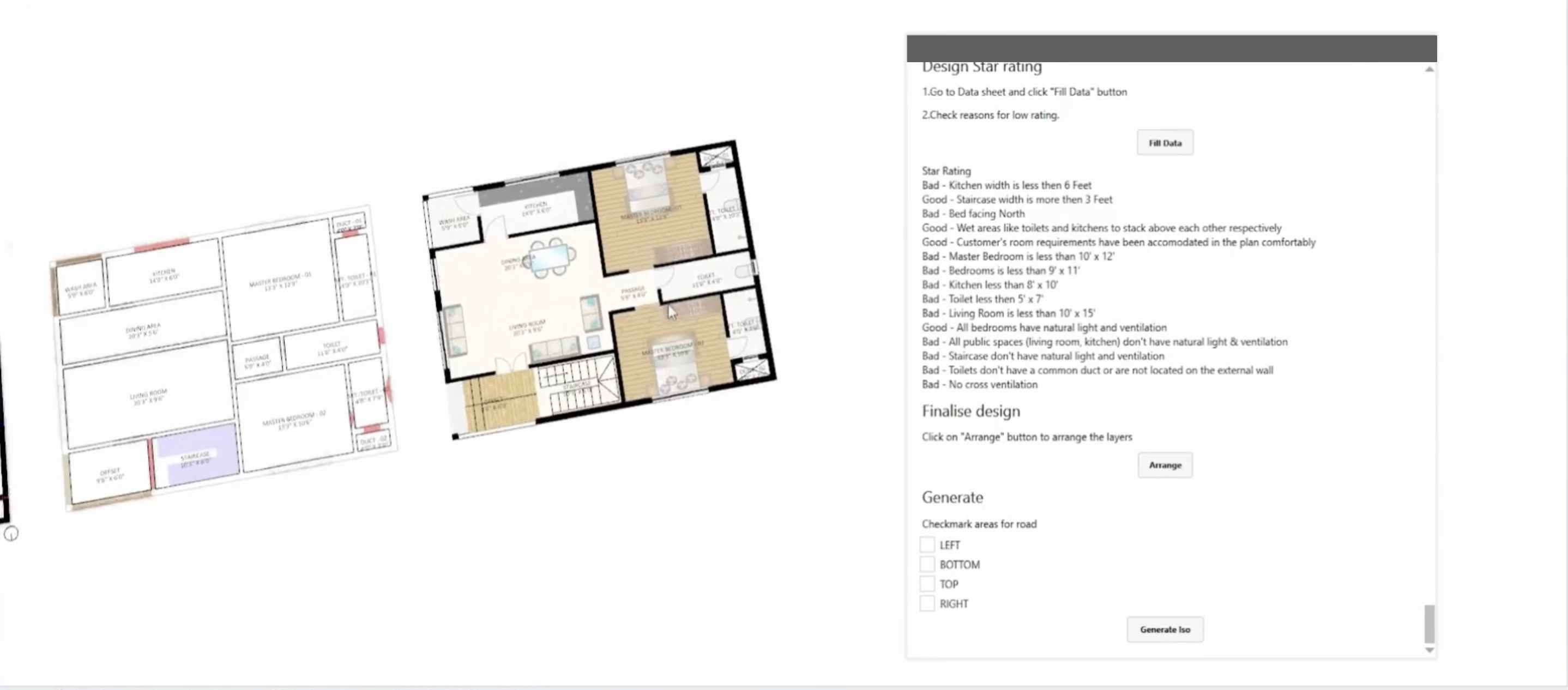
Snapshot
- Client profile: Large distributed design-service network (200-500 team members), South Asia
- Timeline: Multi-phase rollout across roughly two quarters
- Scope: Design intake standardization, CAD automation, rules validation, and review governance
The Problem
A regional design operation needed to deliver consistent output across multiple cities while keeping costs predictable. The team had strong design capability, but intake quality and execution consistency varied by location.
Demand grew faster than manual drafting capacity, so turnaround pressure started to impact quality and review cycles. The mandate was to scale output without introducing brittle process overhead.
- Requirements entered the process in uneven formats, forcing redesign work early in execution
- Design checks depended on individual reviewers instead of repeatable system rules
- Handoffs between intake, drafting, and QA caused avoidable queue buildup
What We Built
We mapped current-state intake and review behavior, then defined a shared data model for requests, constraints, and acceptance criteria.
We implemented structured intake forms, automated CAD starter generation, and rule-driven validation layers for core compliance checks.
We introduced runbooks, ownership checkpoints, and weekly reliability reviews so the workflow could stay stable as volume increased.
What Stuck
- Teams aligned around one intake standard instead of ad-hoc interpretation
- Review cycles shifted from subjective rework to exception handling
- The operating model became reusable for new regions and new team members
Impact
- Cut design turnaround time by ~30-50%
- Reduced rework loops between intake and drafting teams
- Improved consistency of first-pass technical compliance